
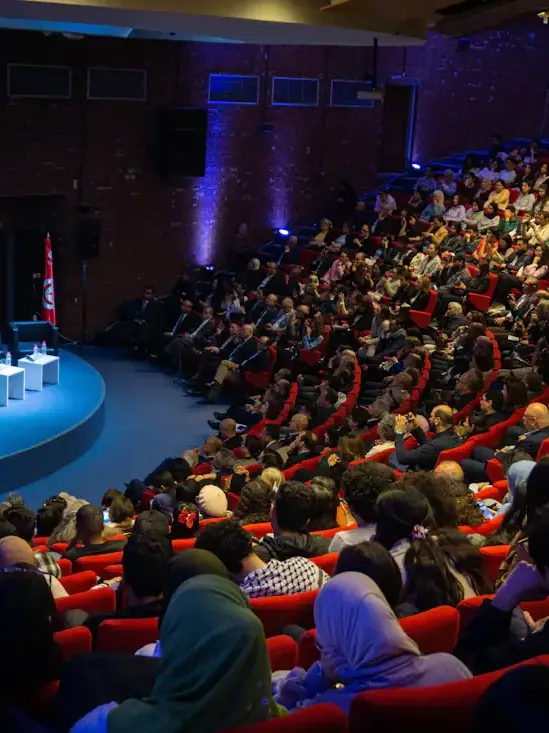
Good corporate event management in Lahore comes down to one thing: a clear plan that everyone signs off before money is spent. Start with the objective, lock the budget and guest numbers, then work through venue, stage and AV, branding, registration, the run sheet, guest flow and contingency. This corporate event planning checklist walks through each stage in order, whether you are running a conference, a product launch, an annual dinner or a brand activation, so nothing important slips through the gaps.
1. Define the objective and audience
Every decision flows from why the event exists. A product launch is about press coverage and first impressions. An annual dinner is about recognising people and building morale. A conference is about content and networking. A brand activation is about footfall and engagement. Write the objective in one sentence and share it with everyone involved.
Then define the audience: employees, clients, dealers, media or the public. Their expectations shape the tone, the timing and even the dress code.
- One-line objective agreed by stakeholders
- Primary and secondary audiences
- Expected guest numbers and VIP list
- How success will be measured after the event
2. Get budget approval early
Corporate events stall when budgets are approved in pieces. Build a single budget that covers venue, production, decor, catering, branding, staffing, gifts and a contingency line, then get it signed off by finance and the event owner in one go.
Agree who has authority to approve changes. A clear approval chain prevents last-minute delays when a vendor needs a decision the same day.
3. Choose the venue
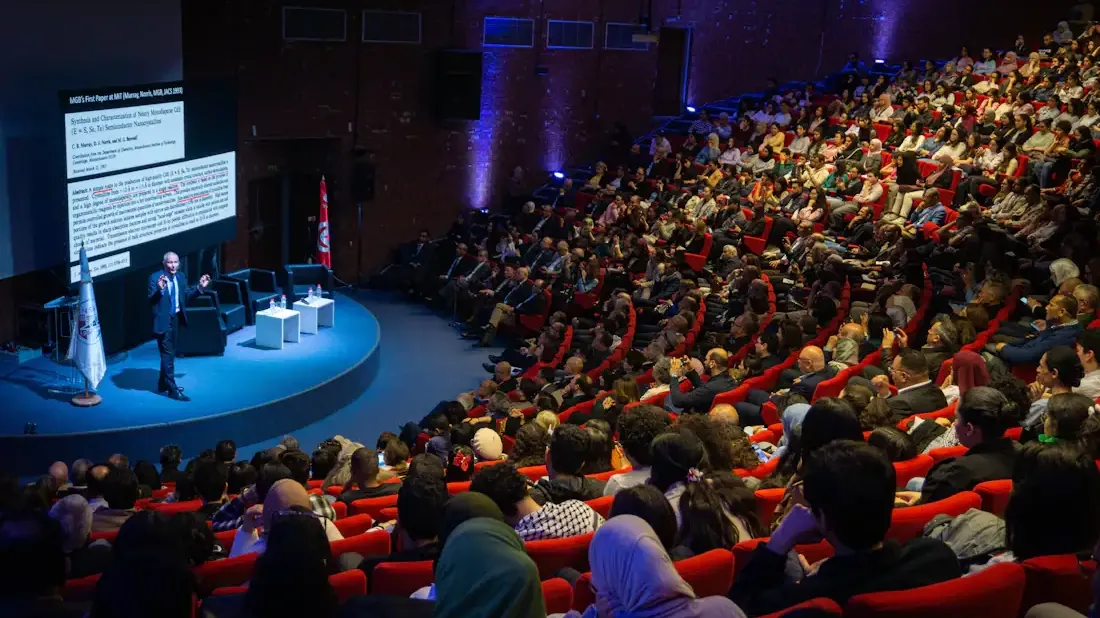
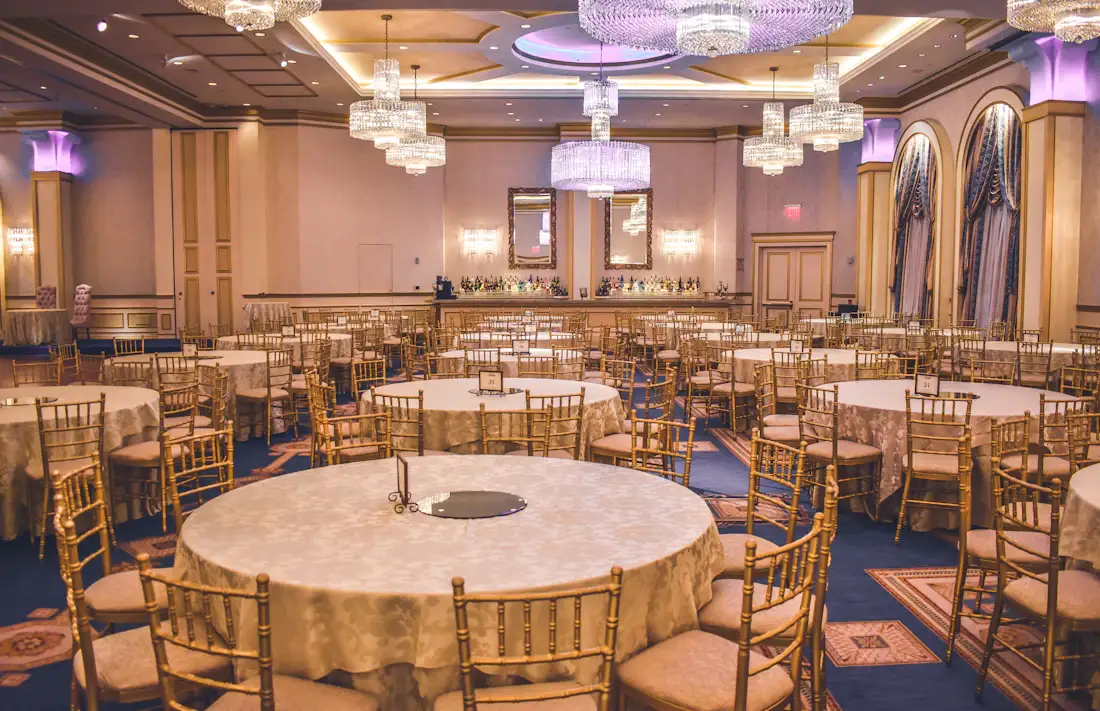
Shortlist venues against your guest count, format and location. A conference needs an auditorium or hall with good sightlines and breakout rooms. A gala needs a ballroom with space for a stage and round tables. An activation needs footfall, which may mean a mall atrium or an outdoor space.
Visit at the same time of day as your event. Check parking, access for production trucks, power capacity, rigging points, ceiling height for LED screens, prayer areas and washrooms. Confirm setup and teardown windows in writing.
4. Stage, LED and sound
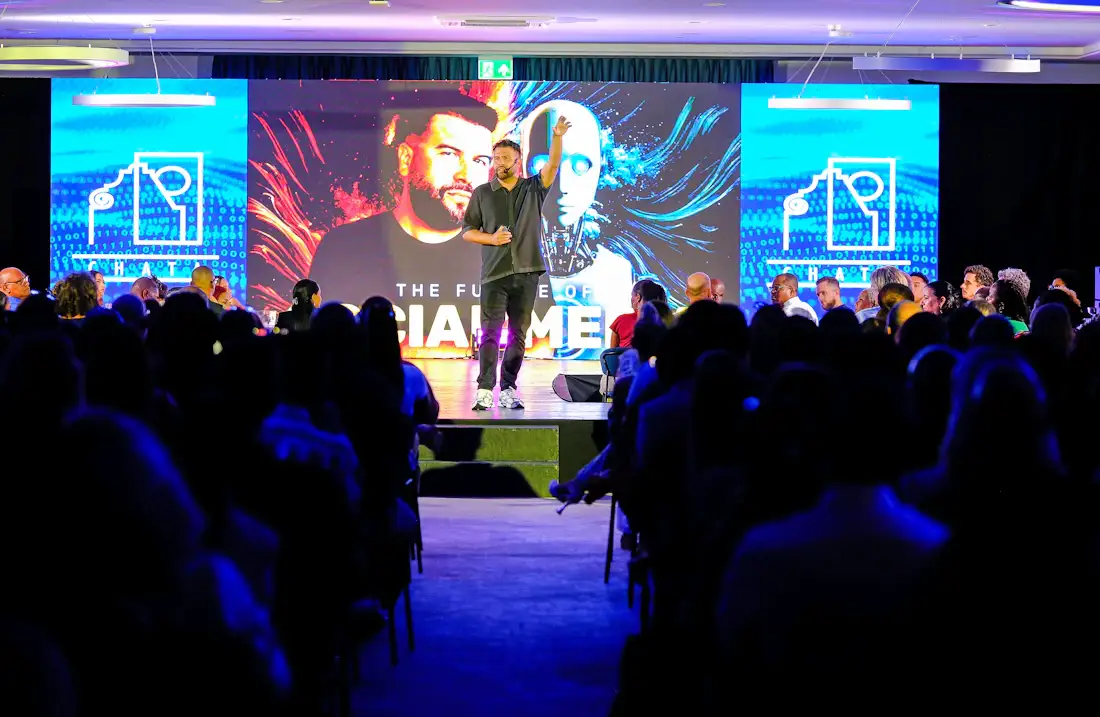
Production is where corporate events succeed or fail on the day. Size the stage for what will happen on it: a single speaker, a panel, a product reveal or a performance. Plan LED screen size based on room depth so the back rows can read slides comfortably.
Book a professional sound and lighting crew, and insist on a technical rehearsal. Prepare presentations in the correct screen ratio, collect them a day early, and keep backups on a separate laptop.
- Stage plan with dimensions, steps and lectern position
- LED or projection screens sized for the room
- Wireless and lectern microphones, with spares
- Stage wash and audience lighting cues
- Confidence monitor and clock for speakers
- Show caller and technical rehearsal slot
5. Branding and decor
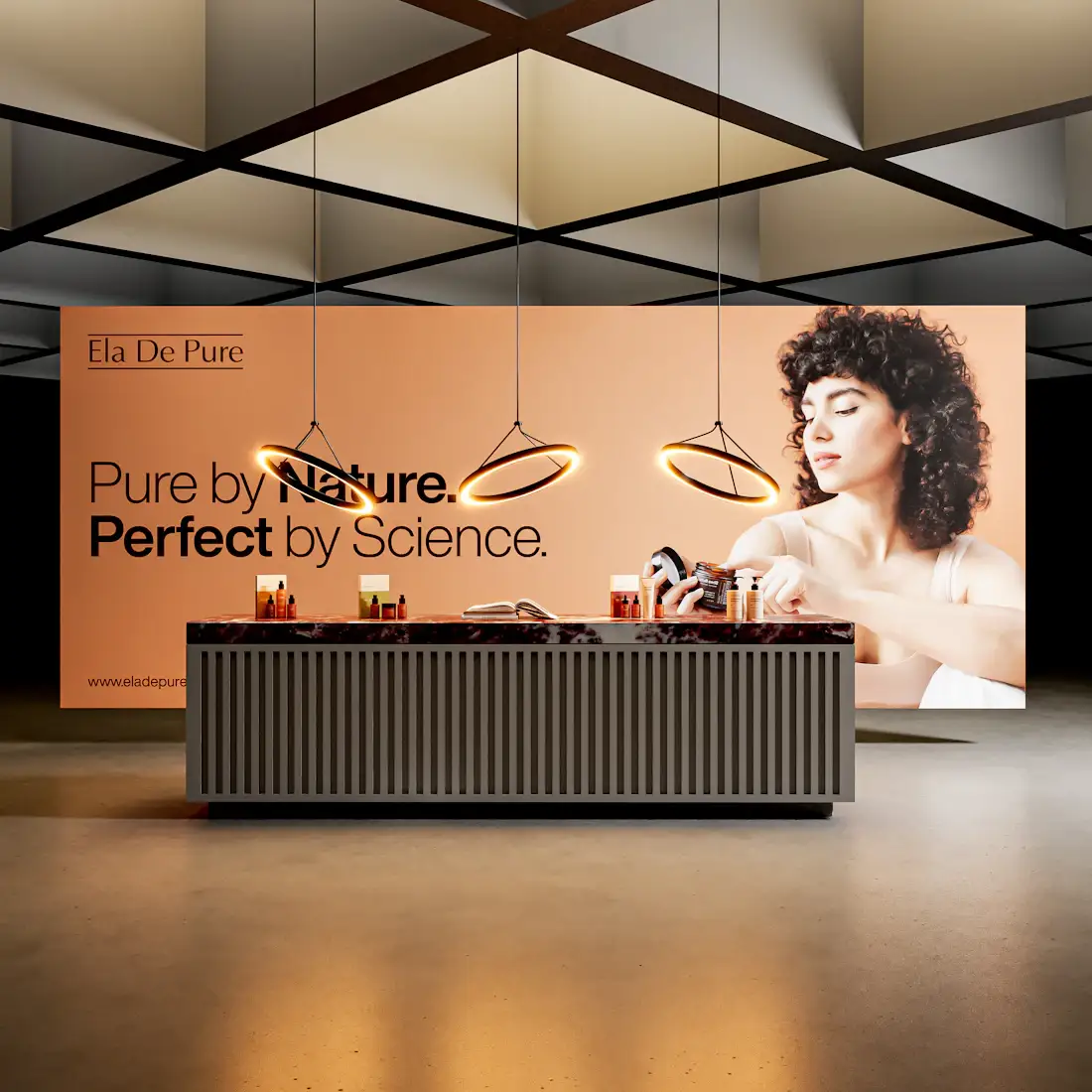
Branding should feel deliberate, not stuck on. Map every touchpoint: entrance arch, registration backdrop, stage backdrop, step-and-repeat for photos, directional signage, table cards and screen loops. Get artwork approved by the brand team with enough time for printing and fabrication.
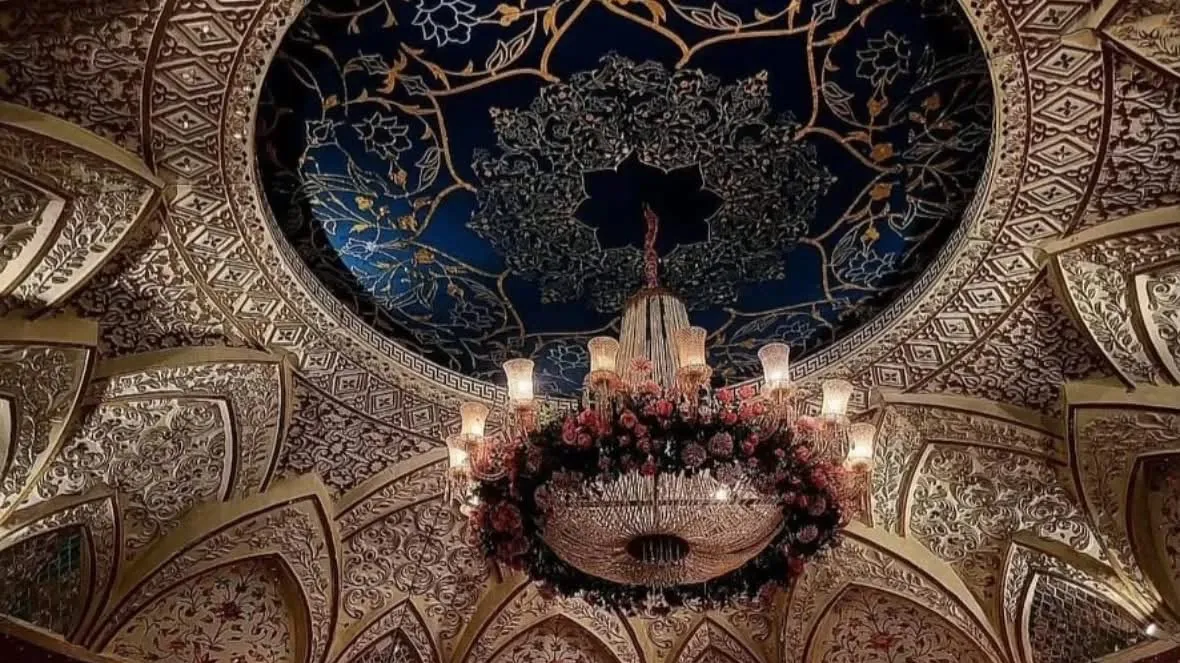
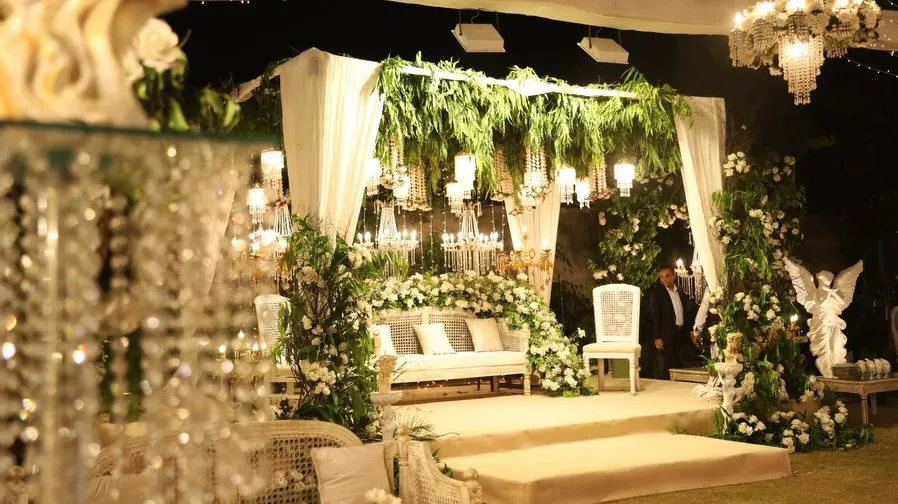
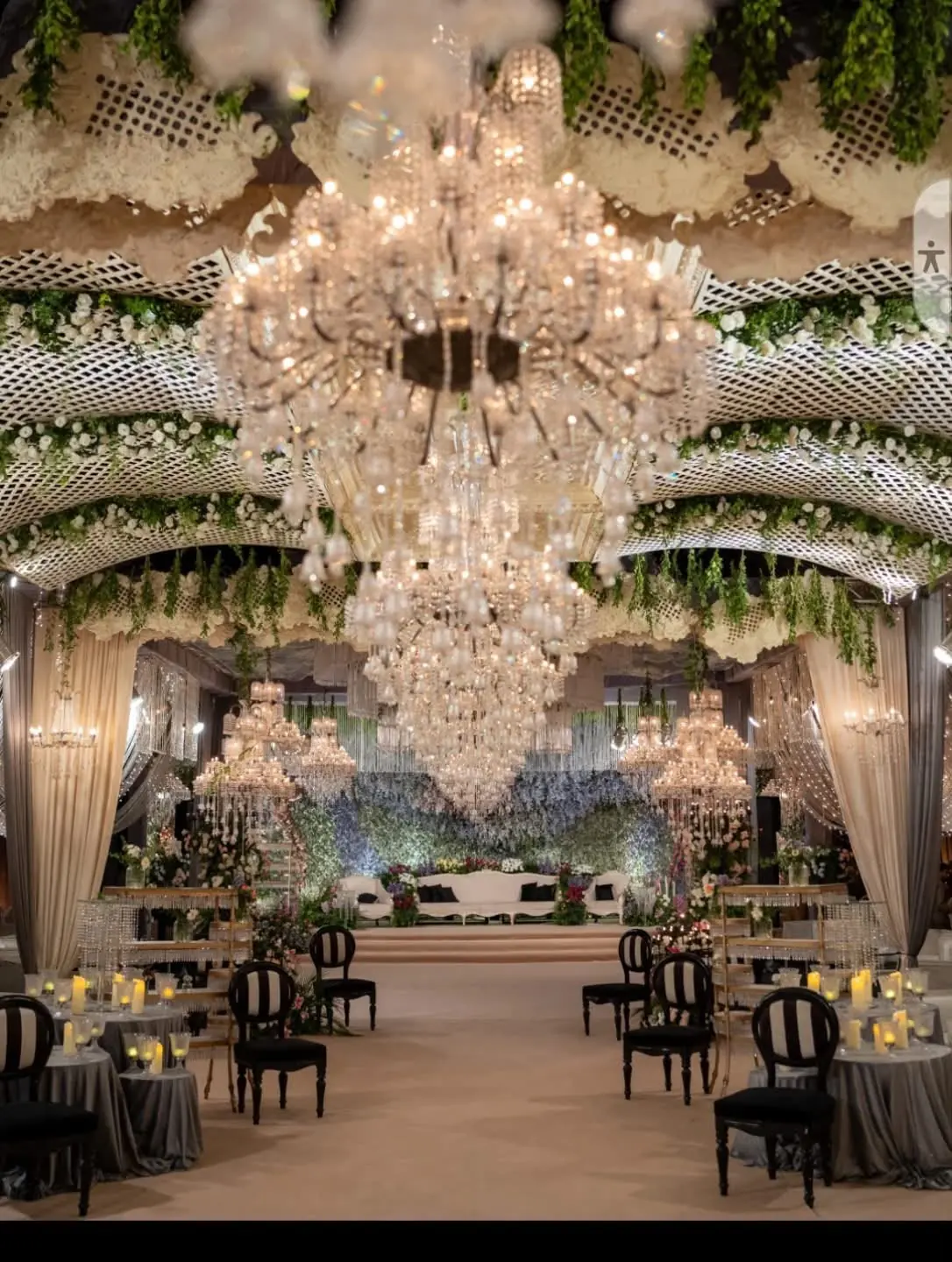
Decor sets the tone. A conference may need only clean staging and a lounge for networking, while an annual dinner can carry a full theme with florals, chandeliers and a black and gold lounge. Events by OT brings the same design eye to corporate staging that we bring to weddings, which is why our corporate event management work feels polished rather than generic.
6. Registration and guest management
Registration is the first impression. Send invitations with a clear RSVP, then confirm numbers a few days before. On the day, have printed lists and a digital check-in, separate desks for VIPs and media, and name badges sorted alphabetically.
Staff the desk with people who know the guest list and can resolve problems calmly. Brief ushers on seating plans, reserved rows and where to direct late arrivals.
7. Build the run sheet
The run sheet is the single source of truth on the day. It lists every moment, minute by minute, with who is responsible and what cue triggers it: doors open, welcome address, videos, speakers, awards, dinner service and close.
Share it with the venue, the production crew, the hosts and your internal team. Walk through it in the rehearsal and update it as soon as anything changes.
8. Guest flow and hospitality
Think through the guest journey from car park to exit. Where do people wait, where do they network, where are the prayer area and washrooms, and how do they move from the hall to dinner without a bottleneck? For activations, plan queues, crowd control and how visitors interact with the brand display.
Coordinate catering timings with the programme so food is served hot and on cue. Plan dietary options, a tea and coffee station, and a quiet space for VIPs. For annual dinners, entertainment such as a corporate qawwali evening gives guests a reason to stay after the speeches.
9. Contingency and post-event
Plan for what can go wrong in Lahore: power cuts, weather for outdoor events, traffic delaying speakers, and last-minute guest changes. Keep generator backup, a wet-weather plan, a reserve presenter and a printed copy of the run sheet.
After the event, collect feedback, photos and video, settle vendor accounts and hold a short debrief with your team. Our gallery shows the kind of conferences, launches and gala dinners Events by OT has delivered, and you can reach the team any time through our contact page.
- Generator and UPS backup for AV
- Indoor alternative for outdoor events
- Reserve speaker or host
- First aid and security briefing
- Post-event survey and stakeholder debrief
- Photo and video delivery for internal and social use
Plan it with Events by OT
Planning a conference, product launch, annual dinner or brand activation? WhatsApp Events by OT on 0322-4414442 for a free consultation. Share your objective, dates and guest numbers, and one team will take your event from first idea to last guest.