
A Pakistani wedding is not one event, it is a season: dholki nights, a mayun, a mehndi, the nikkah, the baraat and the walima, each with its own guest list, look and rasm. That is why a simple to-do list rarely works. This Pakistani wedding planning checklist breaks everything into a month-by-month timeline, starting six months or more before the big day, and then lists what each function needs so nothing gets forgotten in the rush.
6+ months out: the big decisions
Everything else depends on these. Lock them in first, and the rest of the planning becomes a series of smaller, calmer choices.
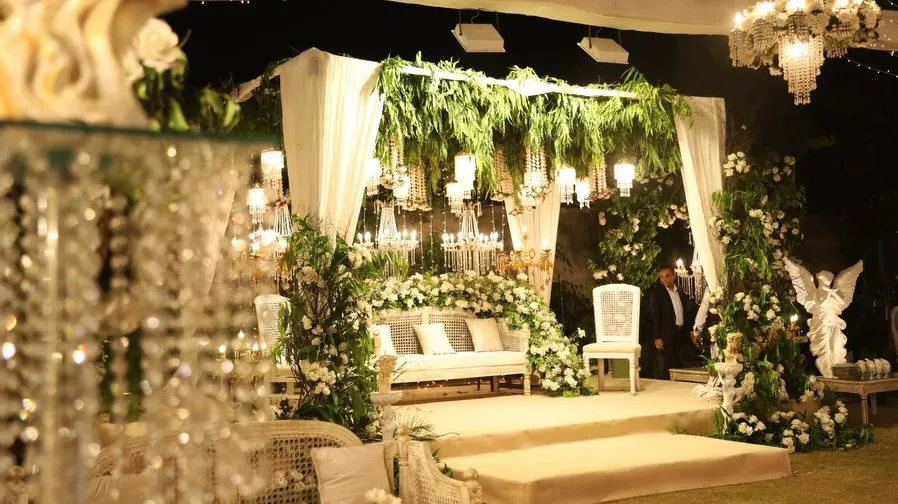
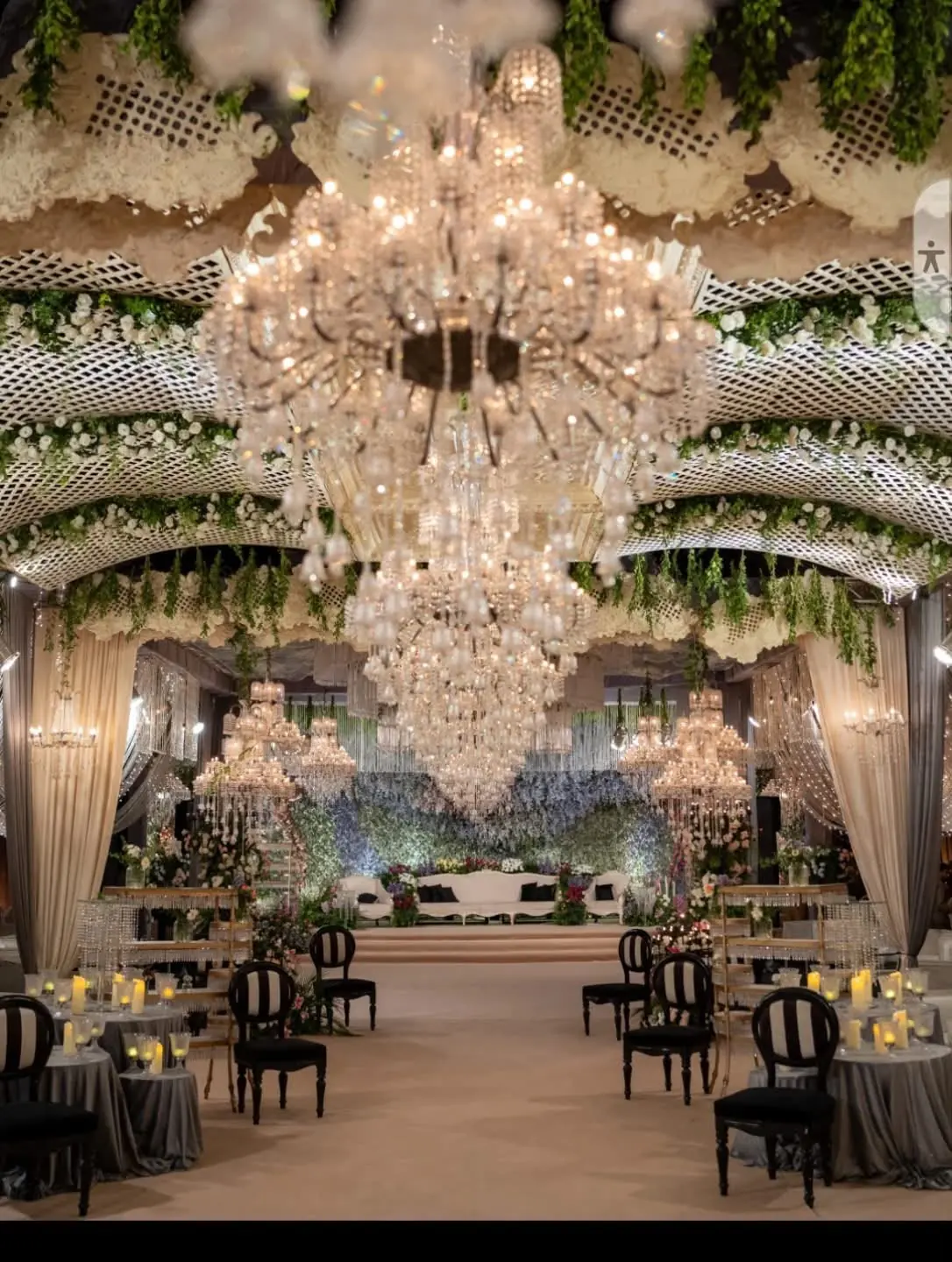
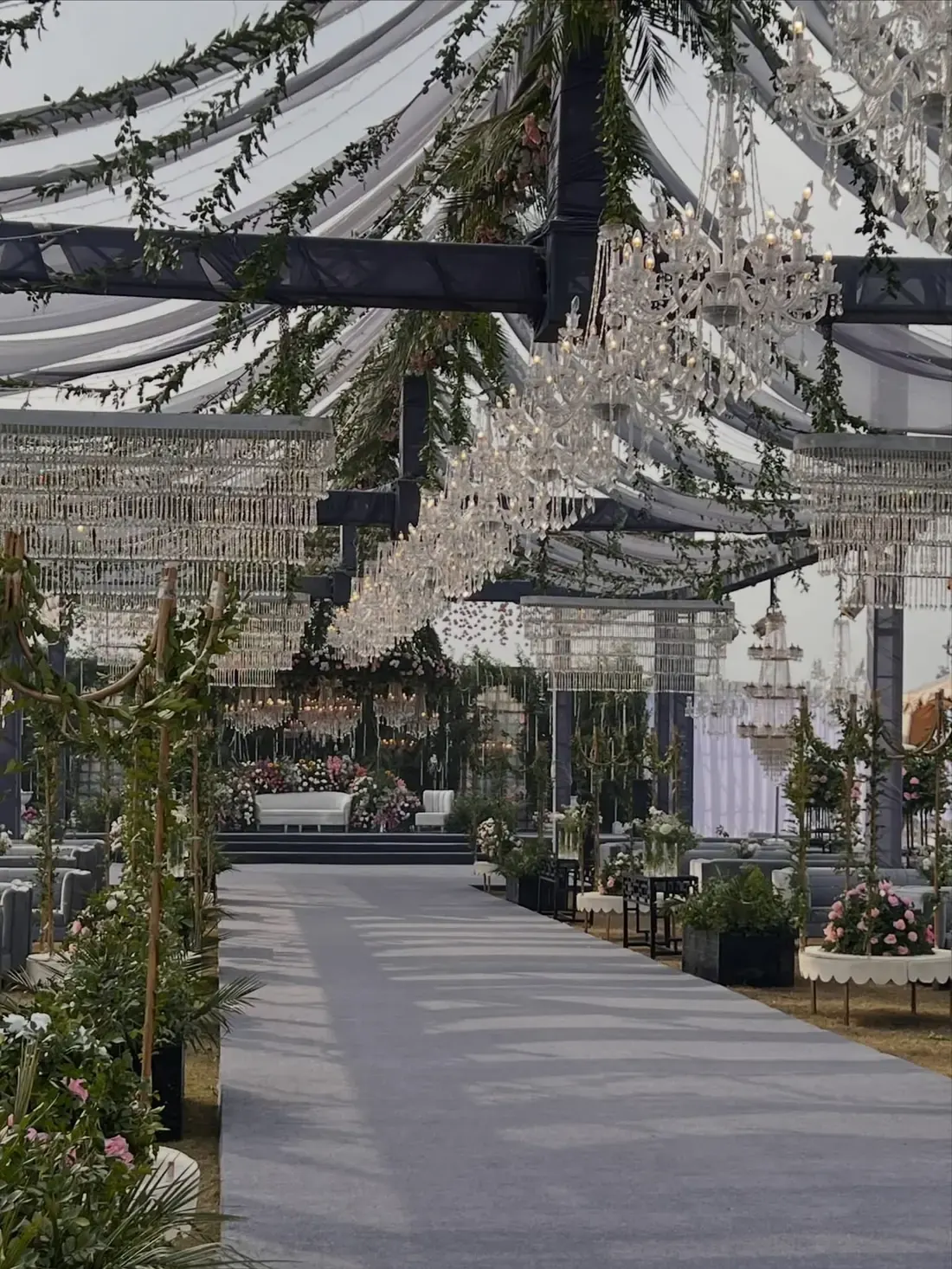
This is also the right time to bring in a wedding planner in Lahore, before you sign the venue. An experienced team can tell you which halls have short setup windows or awkward entrances, and can carry one design idea across every function.
Be honest with each other about expectations at this stage. In many families the bride's side hosts the mehndi and baraat while the groom's side hosts the walima, but every family is different. Agreeing early who is hosting and paying for what saves a great deal of tension later.
- Agree dates for each function with both families, checking Islamic calendar dates and exams
- Set an overall budget and decide how it splits between functions
- Draft a rough guest count for each event, as the walima and baraat lists are usually the largest
- Shortlist and visit venues, then book halls, marquees or lawns
- Book your planner and decor team, photographer and videographer
- Decide the overall feel: classic red and gold, soft whites, pastels, or a different palette for each day
4 to 5 months out: design and outfits
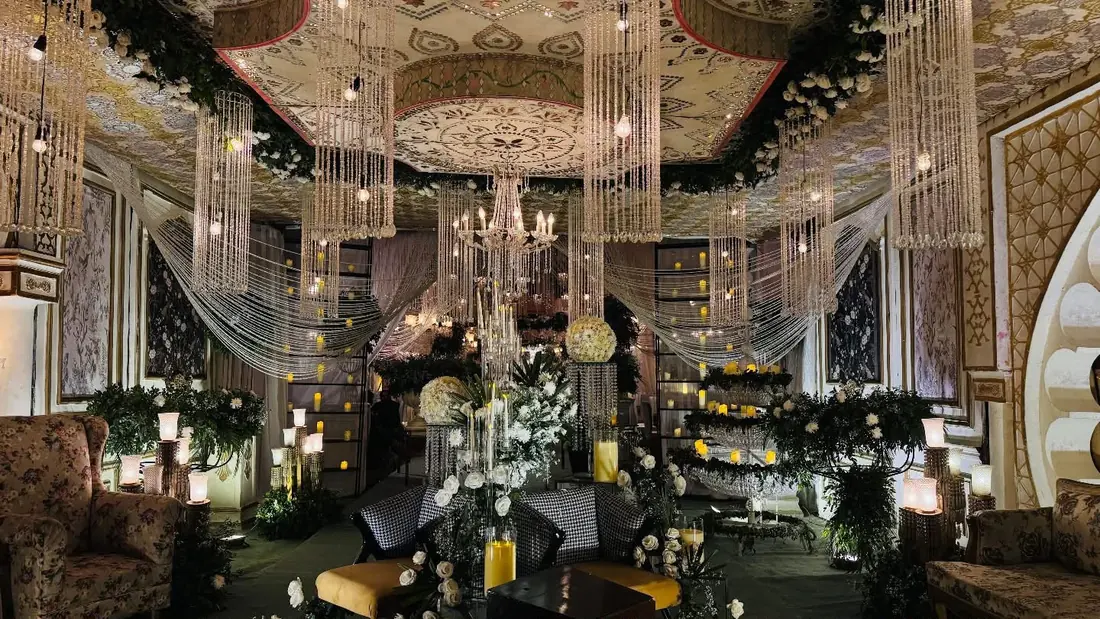
With dates and venues fixed, the creative work begins. Ask for mood boards or renders for each function and give feedback early, because revisions are easy now and difficult in the final weeks.
- Approve the decor concept for each function, including stage, entrance and lighting
- Order the bridal lehnga and groom's sherwani, as tailoring takes time
- Plan outfits for the dholki, mayun and mehndi for the bride, groom and close family
- Book the caterer and plan tasting sessions
- Book a makeup artist and mehndi artist
- Plan any mehndi dances and book a choreographer if needed
2 to 3 months out: the details
This is when the small things pile up. Keep one shared list or WhatsApp group with your planner so decisions are recorded in one place.
- Finalise guest lists and send cards, keeping digital invites for distant guests
- Confirm menus for each function
- Book transport for the baraat and for elderly relatives
- Arrange the nikkah: maulvi sahib, nikkahnama, witnesses and the haq mehr agreement
- Choose mehndi music, the dhol team and the qawwals if you are holding a qawwali night
- Order favours, mithai boxes and the items for the rasm, such as the doodh pilai glass and joota chupai
The final month: confirm everything
In the last month, the goal is no surprises. Your planner should share a written run of show for every function with timings for setup, entries, food, rasm and rukhsati.
Give every close family member one clear job: someone to receive the baraat, someone to look after elders, someone to keep the rasm items safe. When roles are agreed in advance, the bride's mother is not running between the kitchen and the stage all night.
- Final outfit fittings and jewellery check
- Confirm guest numbers with the caterer and venue
- Walk through each venue with your planner to agree the layout and setup times
- Share timings with the photographer, makeup artist and family members who have roles
- Prepare cash envelopes for salami, staff and vendors
- Pack an emergency kit: safety pins, painkillers, a sewing kit, tissues and phone chargers
Function by function: what each event needs
Each function has its own mood, so plan them separately even if the same team handles all of them.
Dholki: usually at home, with a cosy floor setup of gaddas, cushions and a dholak at the centre. Plan seating, lighting and simple dholki decor that can stay up for a few evenings.
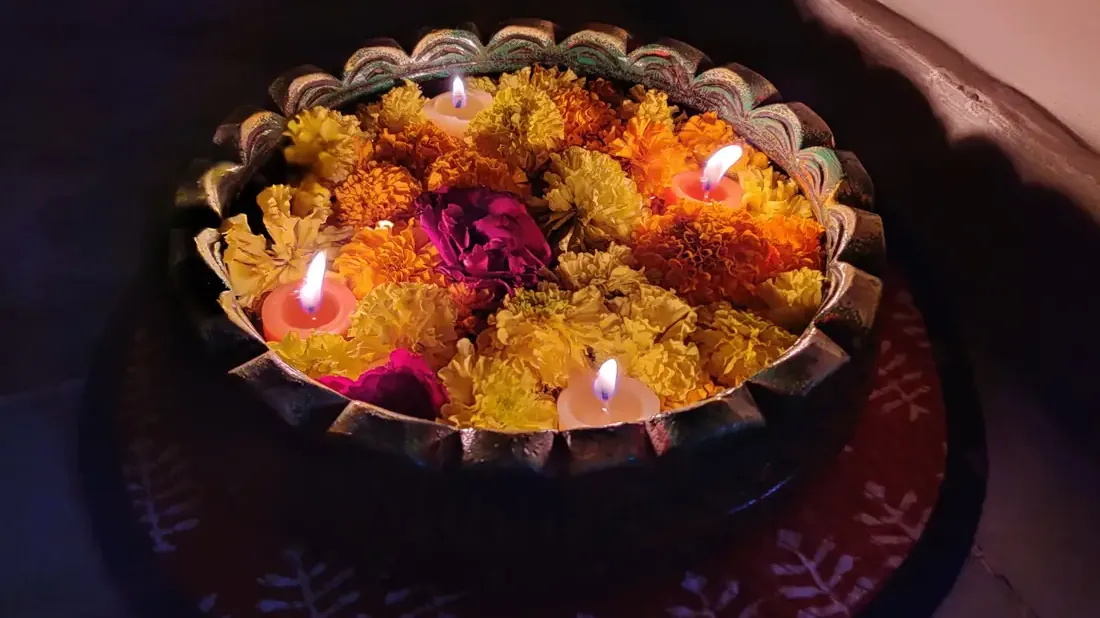
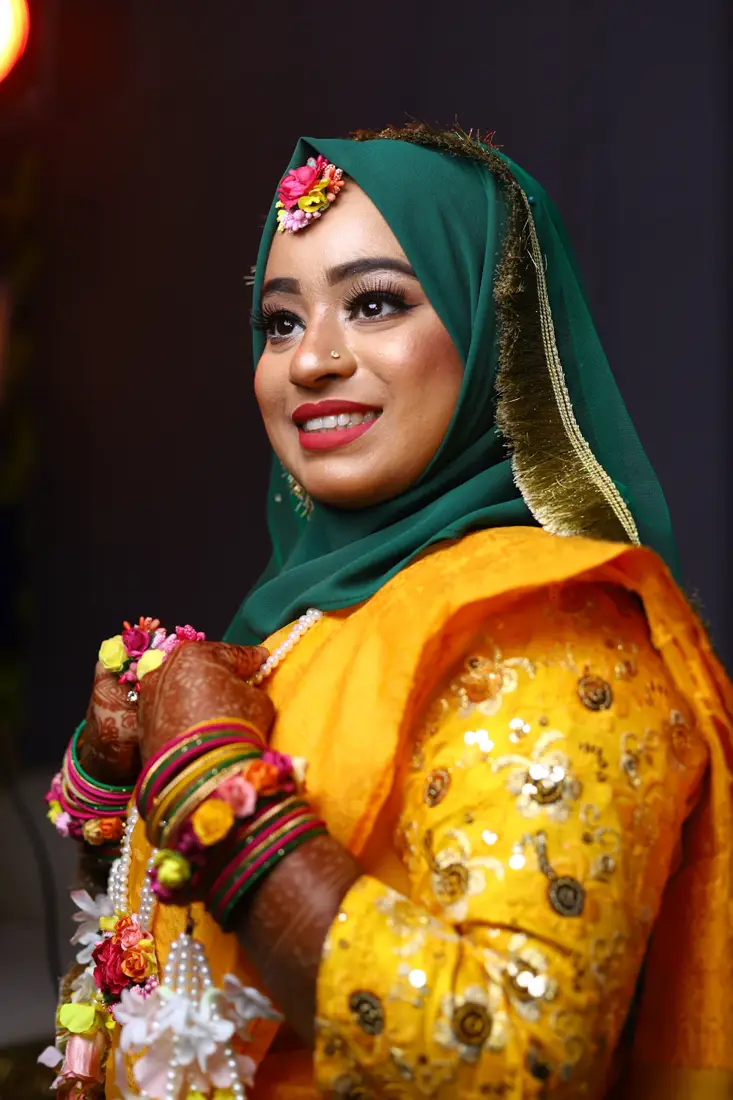
Mayun: yellow and green, genda phool garlands, a jhoola or low seat for the bride and space for the ubtan rasm. A mayun setup should feel close and warm, with room for family photographs.
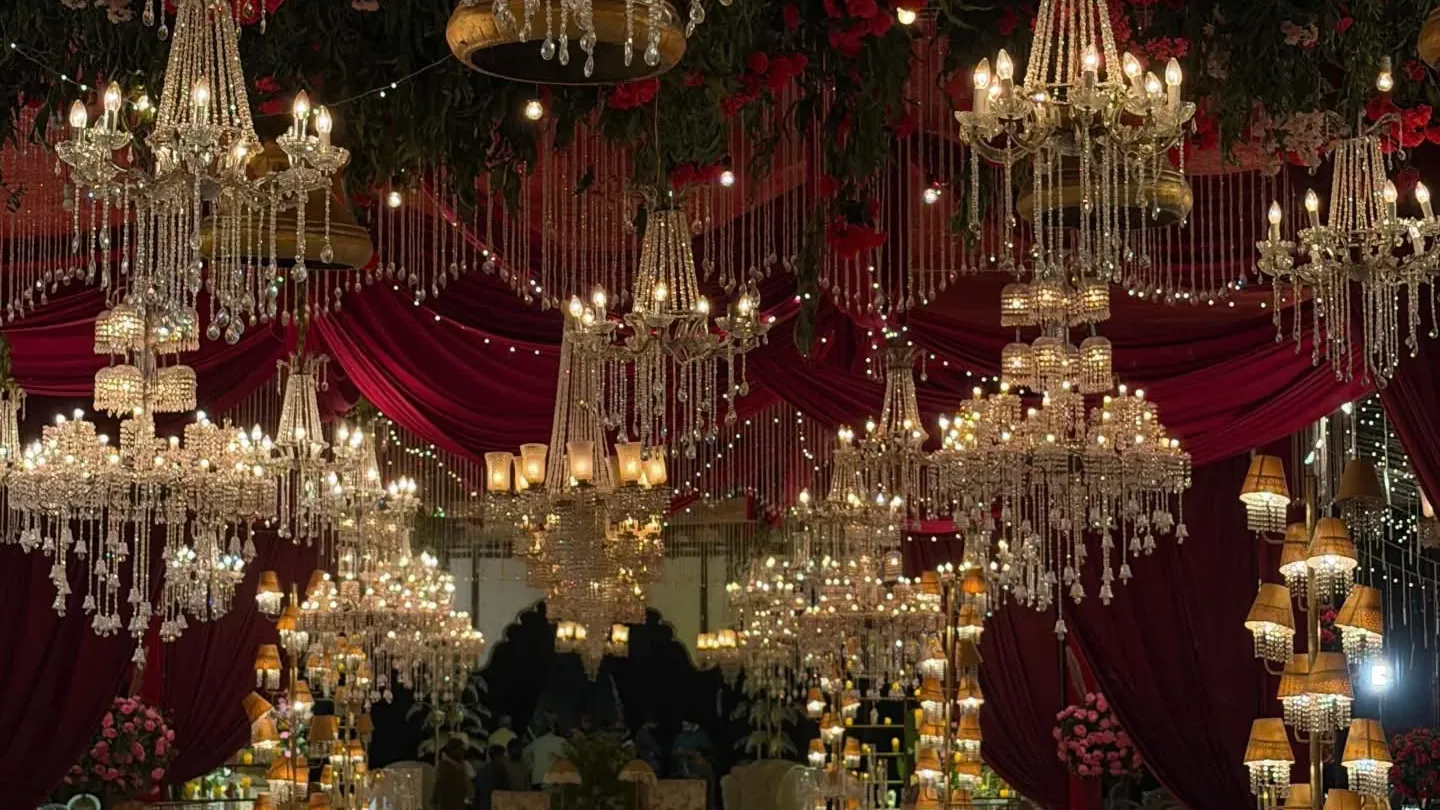
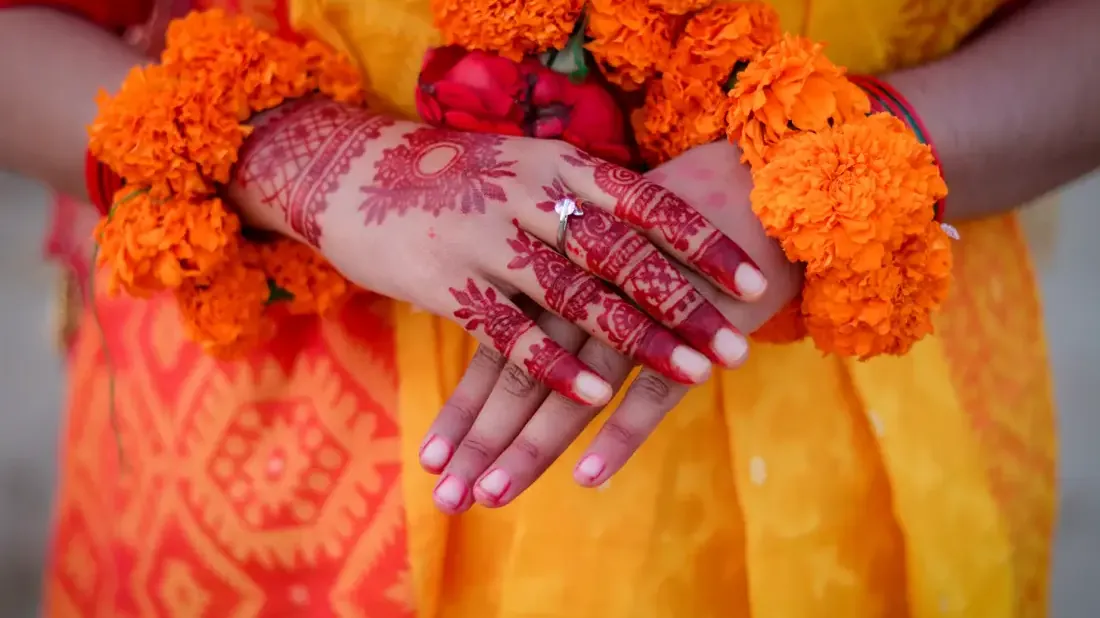
Mehndi: the loudest night. You need a strong stage, a dance floor, room for the dhol, mehndi thaals and good sound. Our mehndi decor usually leans on colour, florals and plenty of lighting.
Nikkah: calm and elegant. Plan clear seating for elders and witnesses, a separate area if required, and a pretty spot for signing.
Baraat: the grand entrance. Think about the baraat arrival, the dholwala, the rose petal welcome, the stage and the rukhsati route to the car.
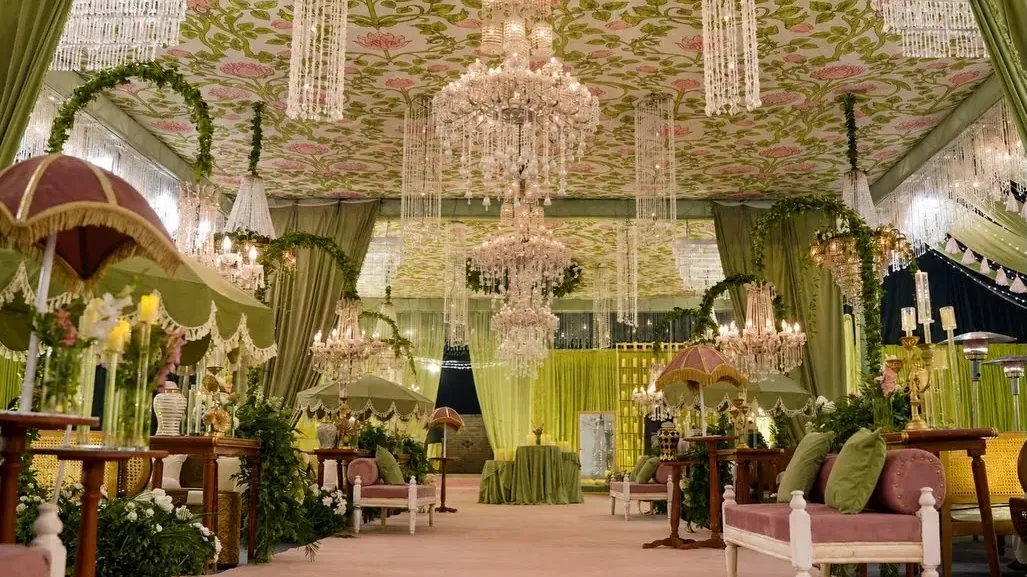
Walima: usually the biggest guest list, hosted by the groom's family. Focus on a beautiful stage, smooth dinner service and an easy flow for guests greeting the couple.
Common mistakes to avoid
Most wedding stress comes from a handful of predictable problems. Plan around them early and the functions will feel far calmer.
- Booking the venue before checking setup times, parking and power with your planner
- Leaving guest numbers vague until the last week, which affects catering, seating and decor
- Designing every function in the same style, so the photos all look alike
- Forgetting the rukhsati: the car, the route and the moment itself need planning
- No backup for outdoor events, such as a covered area or marquee for the mehndi
- Too many decision-makers; agree one or two people from each family who sign off
- Running timings too tight, especially on the baraat day when entries always take longer
Wedding week: hand it over
By the week of the wedding, the family should be enjoying the functions, not running them. Hand over the timeline to one point of contact and let them manage vendors, setup and timings.
When Events by OT manages a wedding, our team stays on site from setup to the last guest at every function, so the bride's and groom's families can focus on the rasm, the guests and the moments they will remember.
A final tip: schedule a quiet hour for the bride and groom on each function day. Between makeup, photographs and rasm, it is easy to reach the walima without having eaten a proper meal or spoken to each other. Your planner can build those pauses into the run of show.
Plan it with Events by OT
Want this checklist handled for you? Events by OT plans and designs every function, from the first dholki to the walima, with one team throughout. Call or WhatsApp 0322-4414442 to book a free consultation, and we will help you map your dates, functions and ideas into one clear plan.